


 4 min read
 07.03.2026
Maximize Grant Success: How Strategic Partnerships Strengthen Your Grant Applications

Understanding the Value of Partnerships in Grant Applications
Partnerships have become a key strategy for organizations competing for grant funding. Funders often seek evidence of collaboration as a sign that your project is well-resourced, community-oriented, and capable of delivering broad impact. Showcasing partnerships demonstrates greater reach, deeper expertise, and access to additional resources—factors that help your proposal stand out. If you want to discover more tactics for getting ahead, see our article on the best secrets for winning a grant in 2026.
Collaborative applications tend to offer increased sustainability and innovation. Partners can close gaps in skills, offer access to new audiences, or provide in-kind support. According to the UK government’s guidance on grant assessment, evaluators favor proposals with clear, strategic partnerships. For deeper insight on what makes funders take notice, read our expert guide on how to write a standout grant proposal.
Types of Partnerships for Grants
The type of partnership you establish can shape the scope and strength of your grant application. Effective options include:
– Nonprofit-to-Nonprofit: Collaborating with peer nonprofits broadens your audience and allows for complementary services.
– Academic Partnerships: Universities and research institutions lend expertise, evaluation capacity, and credibility.
– Private Sector: Partnering with businesses can provide funding, technology, or specialized services.
– Government Agencies: Public sector partners offer legitimacy, regulatory support, or logistical assistance.
Strategic alliances across sectors bring diverse benefits and signal to funders that your project is robust and well-supported. For practical guidance, see how to build powerful partnerships for grant proposal success.
How Funders View Partnerships
Funders closely examine the quality and rationale behind partnerships in your application. Strong collaborations suggest shared risk, diversified support, and the potential for positive outcomes. Alignment between your project and a partner’s mission, with defined roles and contributions, stands out.
Some grant programs require partnerships or prioritize joint projects with additional points. Well-documented, mutually beneficial collaborations show that grant funds will be used efficiently and that the community supports the project. Want to deepen your understanding of the evaluation process? Explore our breakdown of grant scoring systems and rubrics.
Identifying and Evaluating Potential Partner Organizations
Start by targeting organizations that complement your mission and skills. Look for partners with a strong track record, capacity, and good reputation. Prioritize those who share your objectives and offer genuine interest in collaboration. Read more about key elements for success in winning grant proposals.
To evaluate potential partners, review public information, examine past project reports, and seek feedback from your network. Attend sector events and leverage professional introductions to gauge fit and build trust. Ensure transparency and alignment from the outset.
Building Win-Win Partnership Relationships
Strong partnerships start with clear mutual benefit. Begin discussions by learning about each organization’s priorities and how working together could help achieve shared goals. Highlight how collaboration amplifies impact and pinpoints unique strengths.
Foster trust by keeping communication open and expectations clear. Draft written agreements covering resources, responsibilities, and recognition. Industry examples show that active listening and flexibility are essential for enduring, effective partnerships. For additional tips, see how strategic partnerships boost grant proposal success.
Formalizing Partnerships: MOUs, Letters of Support, and Agreements
Documenting partnerships reassures funders of your commitment and your collaboration’s legitimacy. Common documents include:
– Memorandums of Understanding (MOUs): Outline shared goals, responsibility distribution, and resource commitments.
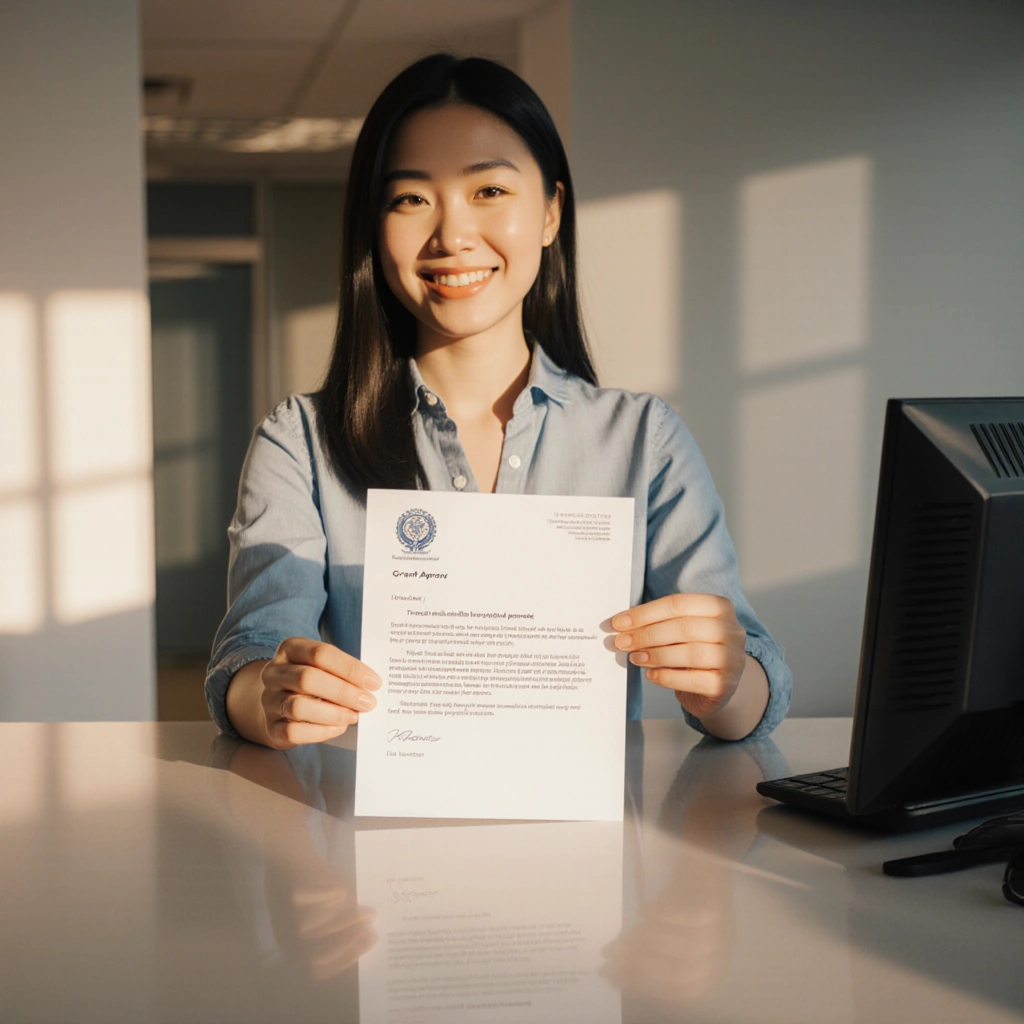
– Letters of Support: Partners endorse your project, outlining their contributions and support.
– Partnership Agreements: More detailed legal documents addressing confidentiality, intellectual property, and funding terms.
Include these documents with your grant submission to provide proof of active, meaningful collaboration and to strengthen your application. For an essential grant proposal documentation checklist, explore our related resources.
About Grants
Find grants with our guides.
Visit https://dev.grants.com/wizard to start.
Recent Posts


How to Maximize Grant Funding for Educational Programs in 2026: Proven Strategies for Winning More Grants


Essential Steps for Nonprofits Seeking International Grants in 2026: Expert Guide to Global Funding Success





Share This Post


